.jpg_1787557920.jpg)
Learn the most common gold trading mistakes beginners make and discover how proper risk management, discipline, and market awareness can improve trading performance.

For centuries, gold has been a store of value. It has attracted attention amid uncertainty, and its price movements create opportunities for traders worldwide. Yet despite its popularity, people do make gold trading mistakes. These are usually done by traders who are new to this world.
Many people begin with excitement. They watch the chart, hear stories of profitable trades, and believe they can quickly learn how to trade gold. Then reality shows up. When the tables turn, the same confidence and excitement turn into frustration.
If you've ever watched the price of gold move sharply in minutes and wondered how experienced traders stay calm, the answer often comes down to avoiding a few costly habits.
Let's talk about the common mistakes in gold trading that can quietly drain accounts and confidence.
A surprising number of traders enter the market with no defined trading plan. They open a chart, see movement, and jump in.
The problem is that every trade should begin with answers to a few simple questions:
Trading decisions should have a definite plan. One candle changes direction, and suddenly you're second-guessing yourself.
Consistent gold traders not only follow their instinct. They have a defined setup which they follow no matter what.
If you ask seasoned traders about their biggest trading mistakes, risk management would always top the list. Because gold is vulnerable to economic ups and downs, geopolitical developments, changes in the market, and so on. That means sharp swings can happen without much warning.
A trader who risks too much on a single position often doesn't survive long enough to benefit from future opportunities.
Good proper risk management involves:
Every successful trader eventually realizes that protecting capital matters more than chasing profits.
This is where many beginner traders get into trouble. Gold markets often offer leverage, which means you can control a larger position with a relatively small amount of capital. It sounds attractive until the market moves against you.
The reality is simple: leverage amplifies both gains and losses. A small market move can become a significant account drawdown if the lot size is too large.
Overleveraging usually comes from confidence rather than strategy. This happens when a trader finds a reliable opportunity. But the market doesn't work as per our wish.
Smart traders focus on consistency. They understand that surviving the market is more important than winning one oversized trade.
One of the most expensive trading errors isn't technical. It's psychological.
Emotional trading often begins after a win or a loss. After a profitable trade, confidence grows too quickly. After losing one, frustration takes over. That's when emotional decisions start replacing logic. This is where understanding trading psychology becomes crucial. Markets reward discipline far more often than excitement.
A losing trade can be frustrating. Nobody enjoys being wrong. But one loss should never lead to ten rushed decisions. Revenge trading is extremely common among new traders. They lose money, feel irritated, and immediately enter another trade to "win it back."
The market senses no urgency. It won't provide opportunities simply because someone wants to recover losses. The best response after a loss is often stepping away, reviewing the chart, and asking whether the original analysis was flawed. Professional traders recover from losses through patience, not speed.
Social platforms are filled with trade calls. Buy here. Sell there. Guaranteed profits.
The problem? Most of those signals lack context. Sometimes, a strategy that is perfect for one trader may not work for another person.
Relying entirely on social media signals often prevents traders from developing independent thinking. The market rewards understanding, not copying. Use external analysis as information, not instruction.
Gold doesn't move randomly. The course of the market is influenced by significant economic developments every week.
Information like CPI data, interest rate decisions, etc., is very sensitive. It can create volatility. The main problem is that traders give more importance to technical insights.
It is crucial to understand macroeconomic factors like inflation. These prove to be useful in explaining the market's behavior.
Some traders refuse to use a stop-loss because they believe the market will eventually return in their favor. Sometimes it does. Many times it doesn't.
Without a protective stop, a manageable loss can become something much larger.
Seasoned investors know that uncertainty is inseparable from gold trading. For this reason, they employ stop-losses as survival strategies rather than as indicators of weakness.
It's like a seatbelt in a car. You feel relieved that you are protected during unfavorable circumstances.
Gold charts move all day. Every candle can appear like an opportunity. This often leads to overtrading. A trader enters one position, exits quickly, then enters another because they don't want to miss the next move. Soon, they're taking trades without proper analysis.
The irony is that the market usually rewards patience. Not every movement deserves action. Sometimes the best trade is the one you don't take.
The fear of missing opportunities has emptied countless trading accounts. A trader watches gold surge higher and thinks, "It's already moving. I need to get in." That feeling is FOMO. By the time many traders enter, the move is often nearing exhaustion.
The result?
Poor entries and avoidable losses.
A good trader understands that opportunities never disappear permanently. Markets open again tomorrow, next week, and next month. Patience creates better opportunities than panic.
Indicators can be useful. Tools like MACD help identify trends and momentum. But indicators should support analysis, not replace it. Many XAUUSD traders overload their charts with indicators and then struggle to make decisions because every signal says something different.
A cleaner approach often works better.
One habit separates improving traders from stagnant ones. They keep a trading journal.
A journal helps track:
Without records, mistakes repeat themselves. With records, patterns become visible. Many successful traders can trace major improvements back to reviewing months of past trades.
When discussing gold markets, you'll often hear the term XAUUSD. It represents gold priced against the U.S. dollar and is one of the most actively traded instruments in the world.
Whether you're trading XAUUSD, participating in forex markets, or monitoring related forex pairs, understanding market context matters.
Different situations cause gold to react differently. Sometimes, its safety factor leads to a rise in price. While other factors like liquidity, policies of the central bank, and so on, also influence its price. Because of this, seasoned traders adjust rather than applying the same strategy in every market setting.
There are 2 types of investors. Type A believe in the online market. Type B believes that physical gold should be a part of your diversified portfolio. Consider the following tips for buying gold in Dubai:
Dubai is considered the world's most recognized gold hub. It is known for attracting buyers looking for bars, coins, and investment-grade bullion. Whatever your purpose of buying is, be it diversification of portfolio or preservation of wealth, it is crucial to choose a trusted global bullion dealer.
If you are new to online gold trading in UAE, research thoroughly. Understand everything clearly.
Even great traders lose. The difference is that they lose small and win big.
They understand gold investment risks, respect market volatility, and follow tested trading strategies rather than chasing excitement. The biggest gold trading lesson isn't finding a magical indicator or perfect prediction. It's developing discipline.
Gold remains one of the most watched commodity markets in the world. From spot markets and futures contracts to ETFs and bullion ownership, opportunities exist for those willing to learn. It is not necessary that traders who lasted in this market are the smartest. They're the ones who don't repeat the 5 mistakes that everyone else does. Stay patient during uncertainty. Treat every trade as a practical decision rather than an emotional one. That's what turns a beginner into a confident trader over time.

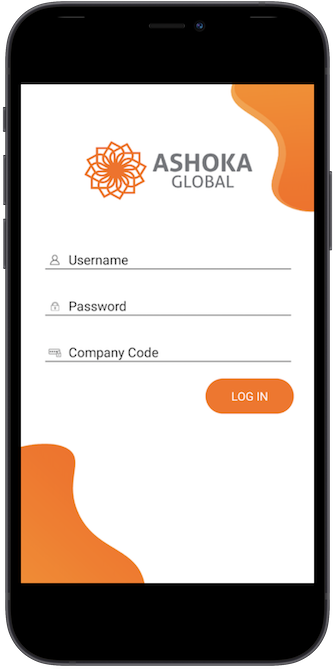
We are pleased to announce that Ashoka Global’s Mobile Trader application is now available in Play Store and App Store. From this App, you can make the main trading functionalities at your fingertips anytime anywhere using your Android or iOS Device.